Recent geopolitical tensions involving the Middle East have once again pushed global markets into the headlines. When events like this occur, it’s natural for investors to feel concerned about what it might mean for their portfolios.
However, history consistently shows that reacting emotionally to geopolitical events is rarely the best investment strategy.
Here’s what we know so far — and what it means for long-term investors.
What’s driving the current concern?
The current conflict in the Middle East has raised fears of disruption to global energy supply. In particular, attention has focused on the Strait of Hormuz, a critical shipping route through which roughly 20% of the world’s oil supply normally passes.
Tensions and attacks in the region have reduced tanker traffic and caused sharp movements in oil prices, with crude briefly rising above US$100 per barrel amid supply concerns.
When oil prices spike, markets tend to react quickly because higher energy costs can lead to:
- Higher inflation
- Increased business costs
- Slower economic growth
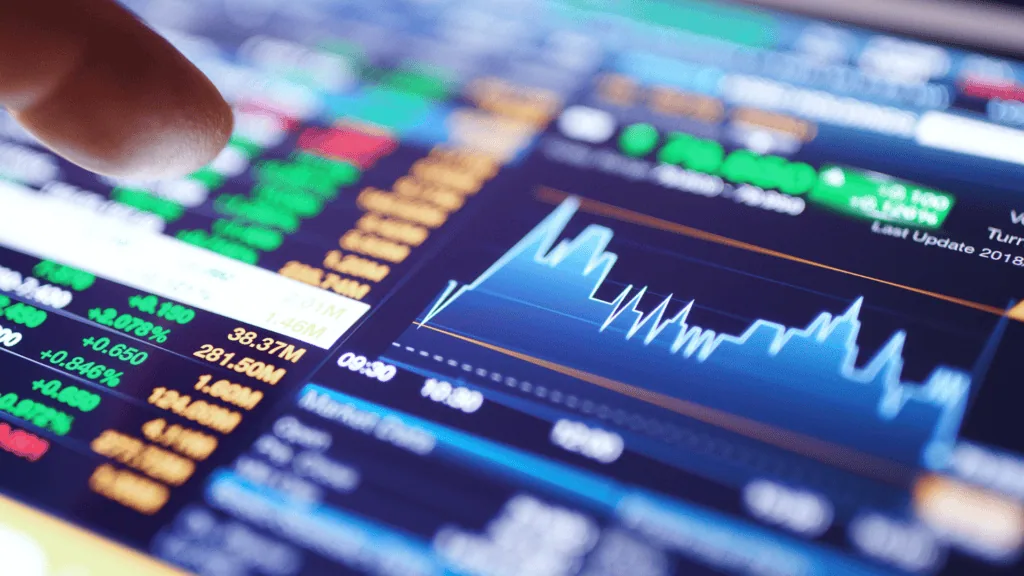
This is why equity markets have shown some volatility in recent weeks.
How markets typically react
Financial markets tend to respond rapidly to geopolitical uncertainty, often pricing in worst-case scenarios before the full picture is known.
Historically, markets have shown three common patterns during geopolitical events:
- Short-term volatility
- Sector shifts (energy and defence stocks often rise, while travel and consumer sectors may fall)
- Recovery once uncertainty reduces
Importantly, many geopolitical events that feel significant at the time have limited long-term impact on diversified portfolios.
What investors should remember
While headlines can be alarming, long-term investors should keep several principles in mind.
1. Markets price in information quickly
By the time news becomes widely discussed, markets have usually already adjusted prices to reflect much of the risk.
2. Diversification matters
Well-diversified portfolios are designed to absorb shocks from events affecting specific regions, sectors, or commodities.
3. Time in the market beats timing the market
Trying to move in and out of markets based on geopolitical developments is extremely difficult — and often damaging to long-term returns.
The bigger picture
The global economy has faced many similar events over the decades — wars, oil crises, pandemics and financial shocks.
Yet over time, markets have continued to grow because businesses adapt, supply chains adjust, and economies evolve.
While the situation in the Middle East remains uncertain and may cause short-term volatility, it is not uncommon for markets to stabilise once the immediate uncertainty begins to ease.
Our approach
At q4 financial, our focus is always on long-term strategy rather than short-term headlines.
For most investors, the most effective response during periods like this is simply to:
- Stay diversified
- Maintain a long-term perspective
- Avoid emotional investment decisions
Our approach is grounded in preparation, not reaction.
Over the past 6–12 months, we’ve already made considered adjustments to portfolios where appropriate, with a focus on managing risk in an evolving environment.
Periods like this reinforce the importance of having a well-structured strategy in place — one that is designed to navigate uncertainty, not respond to it.
[Before acting on any General Advice, you should consider whether it is appropriate in light of your particular objectives, financial situation or needs. If the advice relates to acquiring a particular financial product, you should obtain and consider the Product Disclosure Statement (PDS) for that product before making any decisions.]